

About Nate Tellen and BDS Methods
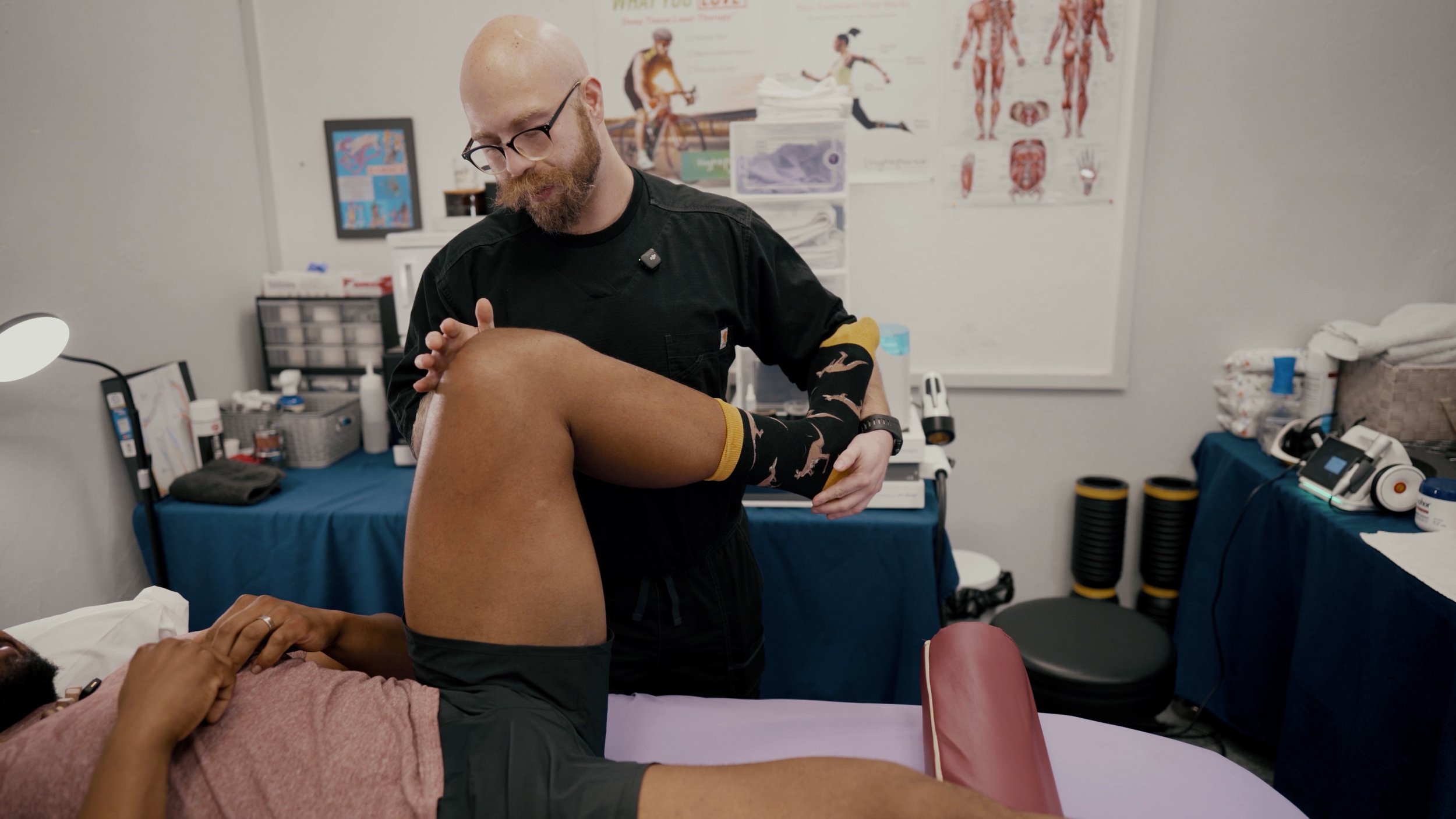
BDS Methods was built on personal experience, clinical perspective, and the belief that movement can be one of the most powerful tools for recovery. Based in Bridgewater, Massachusetts, BDS Methods is a private training and recovery space focused on helping people reduce pain, improve function, and build confidence in their bodies again.
Why BDS Methods Exists
Nate Tellen founded BDS Methods after years of firsthand experience with physical limitation, rehabilitation, and rebuilding. Born with a congenital condition that required extensive medical intervention, he later chose to amputate his foot at 19 and had to relearn how to walk, train, and function at a higher level. That process shaped the foundation of BDS Methods: practical recovery, honest guidance, and a focus on what actually helps people move forward.
Our Philosophy: BDS Methods is built around a simple idea…
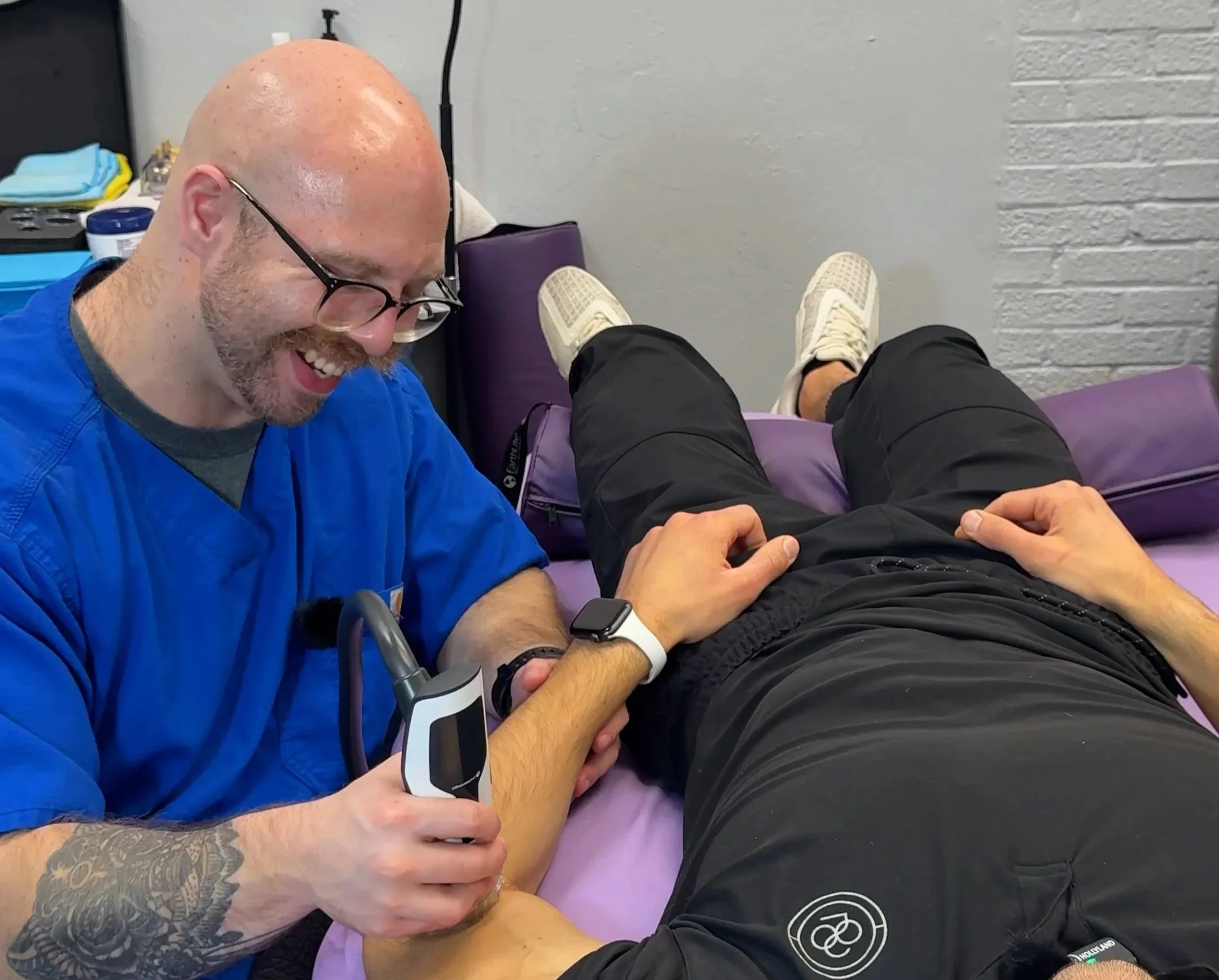
Pain is rarely solved by one-size-fits-all advice. Real progress usually requires a plan that takes into account the individual, their limitations, their goals, and what they can realistically sustain. The approach here blends movement, recovery tools, and hands-on work to help clients improve day-to-day function instead of chasing temporary fixes.
Our Goal
The goal of BDS Methods is not just to reduce pain during a session. It is to help people regain control, rebuild function, and leave with a plan they can actually use. Recovery should be practical, honest, and built around long-term progress.