

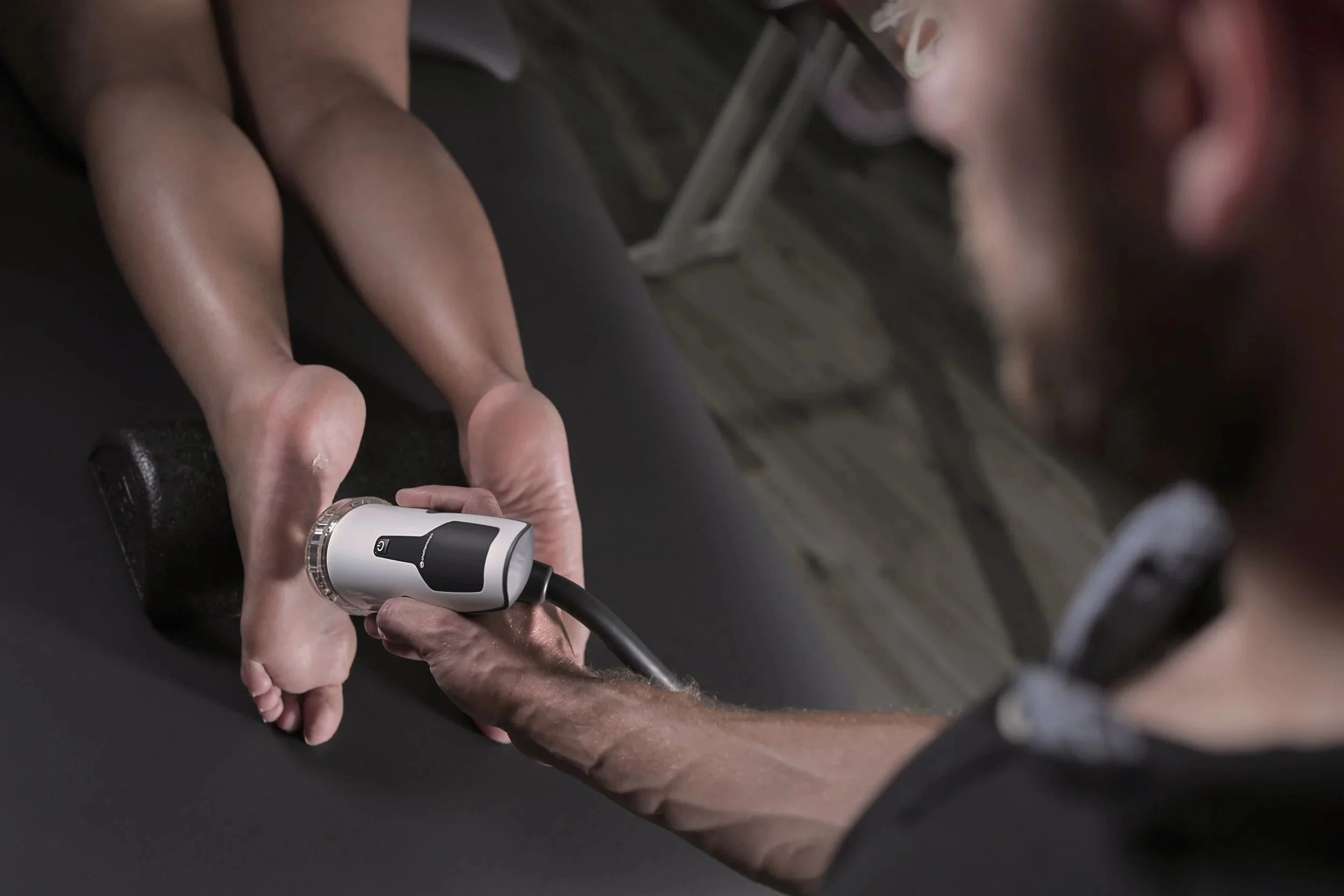
Plantar Fasciitis Treatment in Bridgewater, MA 02324
Plantar fasciitis is one of the most common causes of heel pain, especially in active adults and people who spend long hours on their feet. At BDS Methods, treatment is focused on reducing pain, improving load tolerance, and helping you return to walking, exercise, and daily activity with less irritation.
If you are looking for plantar fasciitis treatment in Bridgewater, MA, our approach uses practical, non-invasive care designed around your symptoms, activity level, and recovery goals.
Focused Care for Heel Pain, Foot Tightness, and Plantar Fasciitis
Plantar fasciitis can make walking, training, standing, and daily movement harder than it needs to be. At BDS Methods, care is focused on reducing irritation, improving load tolerance, and helping your foot tolerate movement more comfortably.
Your treatment plan may include shockwave therapy, laser therapy, bodywork, mobility work, and practical guidance based on your symptoms and activity level.
Common Signs We Look For
Plantar fasciitis often behaves differently depending on activity, footwear, walking volume, and tissue sensitivity.
Pain with first steps in the morningTight calves, arches, or soft tissue restriction
Heel pain that keeps returning
Shockwave Therapy
Shockwave therapy may be used to stimulate irritated plantar fascia and support a local tissue response in chronic heel pain cases.
Laser Therapy
Laser therapy may help support tissue recovery, comfort, and circulation in areas affected by persistent foot and heel irritation.
Bodywork and Mobility
Soft tissue work and mobility support may help address the calf, foot, and lower leg restrictions that contribute to symptoms.
More Than a Foot-Only Approach
Plantar fasciitis is often influenced by more than the bottom of the foot. Calf tightness, training volume, walking habits, footwear, and load tolerance can all matter.
Explore our broader Conditions We Help page or request a consultation to see whether conservative care is appropriate.
Results vary based on severity, health history, consistency, and the underlying cause of symptoms. This service is intended to support pain relief, tissue recovery, and improved function through a conservative care model.