Laser Therapy for Pain Relief in Bridgewater, MA
BDS Methods offers photobiomodulation as a non-invasive option for people dealing with pain that interferes with movement, work, exercise, or daily life. Using red and near-infrared light therapy, this service is designed to support recovery, improve comfort, and help patients pursue pain relief without relying solely on more invasive approaches.
If you are looking for pain relief in Bridgewater, MA, photobiomodulation may be an appropriate part of a broader treatment strategy depending on your symptoms, goals, and history.
What Is Photobiomodulation?
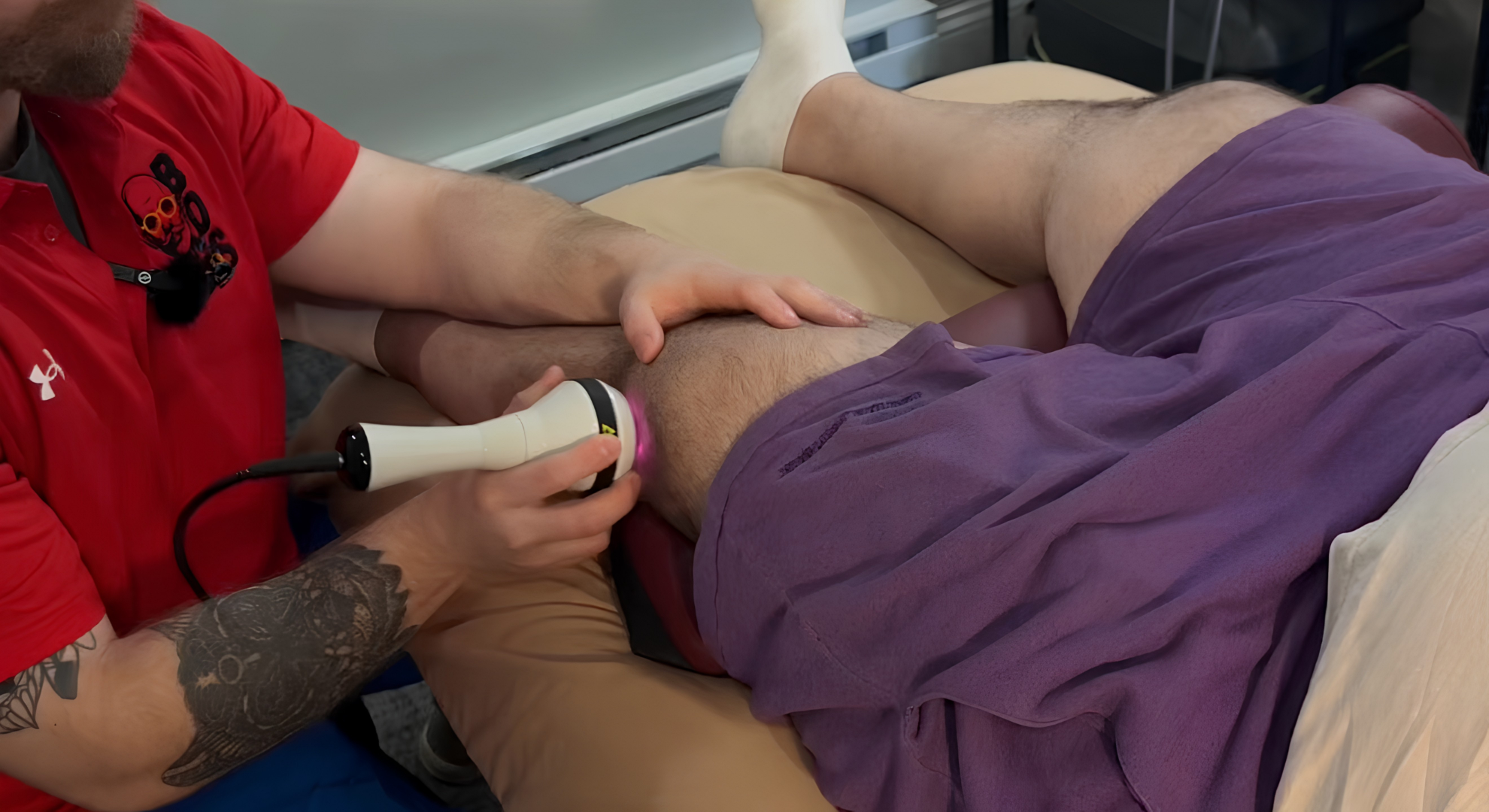
Photobiomodulation is a light-based therapy that uses specific wavelengths of red and near-infrared light to support normal cellular activity. In a pain relief setting, it is commonly used as part of a conservative care plan for people dealing with persistent soreness, localized irritation, or soft tissue discomfort.
For individuals who want a treatment option that is non-invasive and does not involve surgery or injections, photobiomodulation may be worth considering. At BDS Methods, the service is used with a practical focus on pain reduction, recovery support, and improved function.
Who May Be a Candidate for Photobiomodulation for Pain Relief?
People With Muscle Pain
Those dealing with muscular soreness, tension, or activity-related pain may seek photobiomodulation as a conservative treatment option.
People With Tendon or Soft Tissue Irritation
Individuals with localized pain involving tendons, fascia, or other soft tissues may be appropriate candidates depending on the presentation.
People With Ongoing Overuse Pain
Repetitive work, sport, and training can lead to stubborn pain patterns. Photobiomodulation may be used to support recovery and improve tolerance to activity.
People Seeking Non-Invasive Pain Relief
Some patients want to start with conservative care before considering more aggressive treatment options. This service may fit that goal.
Common Pain Concerns Discussed During Consultation
Every case should be assessed individually, but patients commonly ask about photobiomodulation for concerns such as:
- Low back pain that affects movement, exercise, or prolonged standing
- Knee pain related to overuse, training, or surrounding soft tissue irritation
- Plantar fasciitis and heel pain that interfere with walking or activity
- Sciatica-related pain patterns involving the low back, glute, or leg
- Tennis elbow and other repetitive strain conditions affecting the arm
- Muscle pain and post-activity soreness
- Localized tendon pain
- Soft tissue irritation affecting movement
- Overuse-related pain from work or exercise
Not every pain condition is appropriate for this treatment. The goal is to determine whether it makes sense in your case rather than apply it generically.
Photobiomodulation for Specific Pain Conditions
Low Back Pain
People with low back pain often look for treatment options that do not immediately escalate to injections, medication changes, or more invasive procedures. Photobiomodulation may be considered as part of a conservative strategy aimed at improving comfort and supporting movement, especially when low back symptoms are tied to muscular or soft tissue irritation.
Knee Pain
Knee pain can develop from repetitive loading, activity-related irritation, or stress in the tissues surrounding the joint. Photobiomodulation may be used as part of a plan intended to support recovery and help patients tolerate daily activity or exercise more comfortably.
Plantar Fasciitis
Plantar fasciitis can make walking, standing, and training frustrating. For patients looking for non-invasive options, photobiomodulation may be incorporated into a broader care plan focused on heel pain relief, tissue recovery, and gradual return to normal activity.
Sciatica
Sciatica is often used as a general term for pain that travels from the low back or glute area into the leg. When soft tissue irritation is contributing to the overall pain picture, photobiomodulation may be considered as one supportive option within a broader strategy focused on reducing discomfort and improving function.
Tennis Elbow
Tennis elbow and other repetitive strain conditions can become stubborn over time, especially when work or exercise keeps aggravating the area. Photobiomodulation may be used as a conservative option to support recovery in irritated soft tissues around the elbow and forearm.
How Photobiomodulation May Support Pain Relief
Supports a Conservative Treatment Approach
For people who want to explore non-invasive options first, photobiomodulation may provide a practical starting point.
May Help Improve Comfort
The service is commonly used in an effort to reduce discomfort and make daily activity or exercise more manageable.
Can Complement Other Services
Photobiomodulation may be paired with bodywork, recovery-based care, and movement strategies when appropriate.
Designed to Support Recovery
In addition to pain relief goals, treatment may be used to support recovery in irritated or overworked tissues.
Comfortable and Non-Invasive
Many patients prefer this therapy because it is straightforward, does not require downtime, and is generally well tolerated.
Focused on Practical Function
Pain relief matters most when it helps you move better, work more comfortably, or return to your usual activities.
Why Choose BDS Methods in Bridgewater, MA?
BDS Methods takes a practical approach to pain relief. Rather than applying the same plan to everyone, treatment is guided by your symptoms, activity level, goals, and response over time. If photobiomodulation is appropriate, it is used as part of a broader strategy centered on comfort, function, and realistic next steps.
For patients searching for photobiomodulation in Bridgewater, MA 02324, BDS Methods provides a local option focused on non-invasive care, individualized planning, and honest recommendations.
What to Expect at Your Visit
1. Consultation and Assessment
Your visit begins with a discussion of the pain you are experiencing, how long it has been present, what aggravates it, and what you are hoping to achieve.
2. Treatment Planning
If photobiomodulation appears appropriate, a treatment approach is selected based on the area involved and the goals of care.
3. Session Delivery
Treatment is generally straightforward, non-invasive, and easy to tolerate. Session details vary depending on the tissue involved and the treatment plan.
4. Follow-Up Recommendations
You may be advised on additional sessions, supportive therapies, activity modification, or other next steps depending on your response.
Frequently Asked Questions
Is photobiomodulation the same as red light therapy?
In many public-facing settings, yes. Photobiomodulation is the more technical term often used for red and near-infrared light therapy.
Can photobiomodulation be used for low back pain, knee pain, plantar fasciitis, sciatica, or tennis elbow?
These are some of the concerns patients commonly ask about during consultation. Whether treatment is appropriate depends on the specific pain pattern, the tissues involved, and the broader clinical picture.
Does the treatment hurt?
Most patients find it comfortable and non-invasive.
How quickly will I notice improvement?
Response varies. Some people notice changes quickly, while others require repeated sessions as part of a broader treatment plan.
Do I need a consultation first?
Yes. A consultation helps determine whether photobiomodulation makes sense for your pain and whether another treatment approach would be more appropriate.
Looking for Non-Invasive Pain Relief in Bridgewater, MA 02324?
If you are dealing with ongoing pain and want a treatment option that is conservative, practical, and recovery-focused, BDS Methods can help you determine whether photobiomodulation belongs in your plan.

