
Low Back Pain Treatment in Bridgewater, MA 02324
Low back pain is one of the most common reasons people limit activity, avoid training, or struggle with daily movement. At BDS Methods, treatment is focused on reducing pain, improving movement tolerance, and helping you return to normal activity with a practical, non-invasive approach.
If you are looking for low back pain treatment in Bridgewater, MA, our model is built around understanding your symptoms and applying targeted care that supports recovery without unnecessary escalation.
Non-Invasive Support for Low Back Pain, Stiffness, and Movement Restriction
Low back pain can interfere with training, work, sleep, and daily movement. At BDS Methods, care is focused on reducing irritation, improving movement tolerance, and helping you return to normal activity with a practical plan.
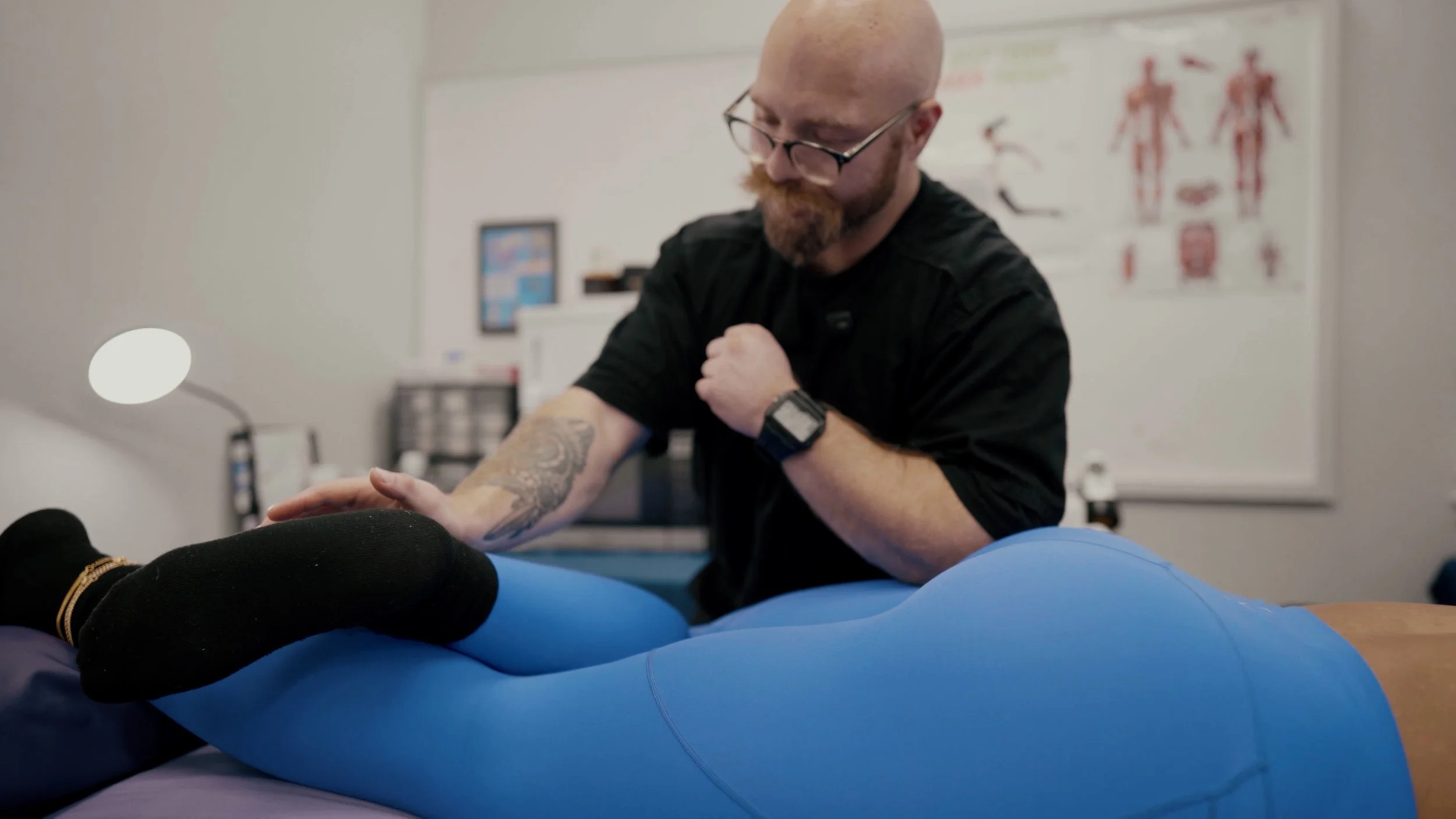
Treatment may include laser therapy, shockwave therapy, bodywork, mobility work, and recovery guidance based on how your symptoms behave.
Common Low Back Pain Patterns
Low back pain is not always the same from person to person. A practical plan should match the way your symptoms show up.
Stiffness with bending, lifting, or standingBack pain with glute or leg symptoms
Recurring pain that limits activity
Laser Therapy
Laser therapy may be used to support tissue response, comfort, and recovery in irritated low back areas.
Bodywork
Bodywork may help address muscular tightness, guarded movement, and soft tissue restriction around the low back and hips.
Shockwave Therapy
Shockwave therapy may be considered when surrounding soft tissue irritation or chronic restriction is contributing to symptoms.
Care Built Around Movement, Not Just Symptoms
Low back pain often involves a combination of tissue irritation, load tolerance, posture, training stress, and movement mechanics.
Learn how this connects with sciatica care or explore all conditions we help.
Low back pain can have many causes. This service is intended to support conservative care for appropriate cases and does not replace medical evaluation when symptoms are severe, progressive, traumatic, or neurological.